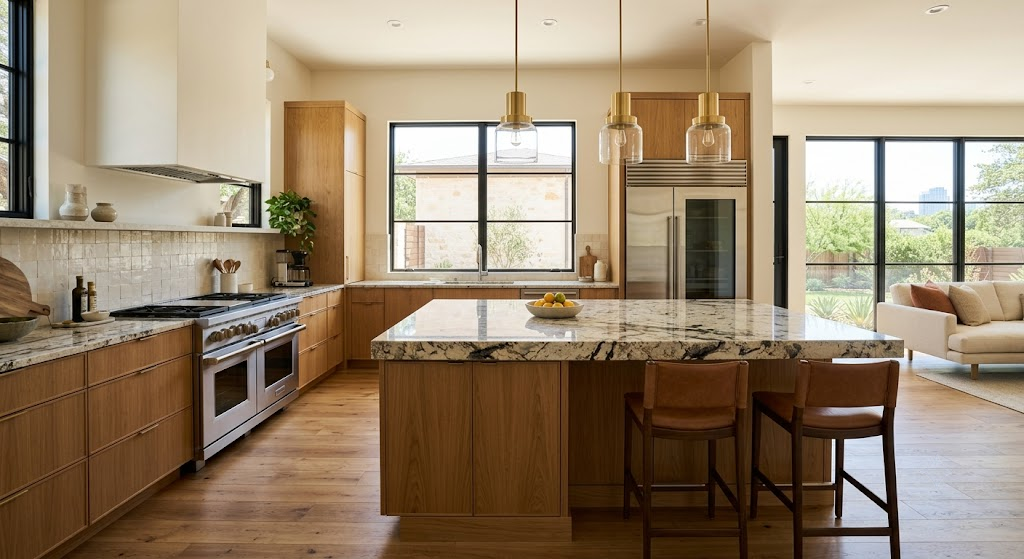
This is probably the most common question we get from anyone remodeling a kitchen in San Antonio. Both materials look great, both hold up well, and both show up in nearly every high-end kitchen across the city. The right choice really comes down to how you use your kitchen day to day.
Here’s what actually separates them.
So, Which One Is Better – Granite or Quartz?
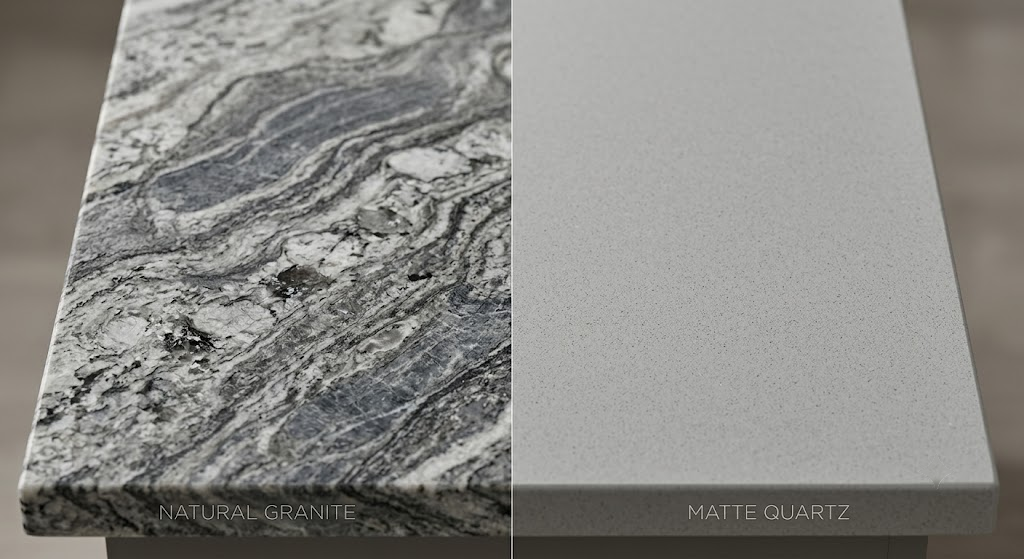
There’s no flat answer, because it depends on what you’re optimizing for. Granite is a natural stone, so every slab is one-of-a-kind, and it handles heat exceptionally well. Quartz is engineered, so it’s more consistent in pattern and doesn’t need sealing. If you want a unique, natural look and don’t mind occasional maintenance, granite wins. If you want low upkeep and predictable color matching, quartz usually wins.
The Short Version
- Granite – natural stone, handles heat well, needs yearly sealing
- Quartz – engineered stone, low maintenance, no sealing required
- Granite – every slab looks different, harder to match if you extend the kitchen later
- Quartz – consistent pattern, easier to match across large spaces
- Granite – slightly more heat-resistant for hot pans directly off the stove
- Quartz – more resistant to staining from wine, oil, or acidic foods
Granite Countertops, In More Detail
Granite is quarried stone, cut into slabs, and polished. That’s why no two granite countertops are exactly alike – it’s a real selling point for homeowners who want something that can’t be replicated in the house next door. It also handles direct heat better than almost anything else, which matters if you’re the type who sets hot pots straight on the counter.
The tradeoff is maintenance. Granite is porous, so it needs to be sealed once a year to resist staining. Skip that and it can absorb oil, wine, or coffee over time.
Quartz Countertops, In More Detail
Quartz isn’t pulled from a quarry the way granite is – it’s engineered from crushed quartz mixed with resin, which is what makes the color and pattern so consistent from slab to slab. That consistency is a big deal if you’re doing a large kitchen or an island that needs to match perfectly.
It also never needs sealing. The resin makes it non-porous, so spills, acidic foods, and everyday stains just sit on the surface instead of soaking in. The one thing it doesn’t love is direct heat – a hot pan straight off the stove can damage the surface, so a trivet is worth keeping around.
Granite Vs. Quartz – The Direct Comparison
| Granite | Quartz | |
| Material type | Natural stone | Engineered stone |
| Heat resistance | Excellent | Good, but needs trivets |
| Stain resistance | Needs yearly sealing | Naturally stain-resistant |
| Pattern consistency | Unique per slab | Consistent, easy to match |
| Maintenance | Annual sealing | Minimal, just clean surfaces |
| Best for | Homeowners who want a natural, one-of-a-kind look | Homeowners who want low upkeep and consistency |
Don’t Forget What’s Underneath and Around It
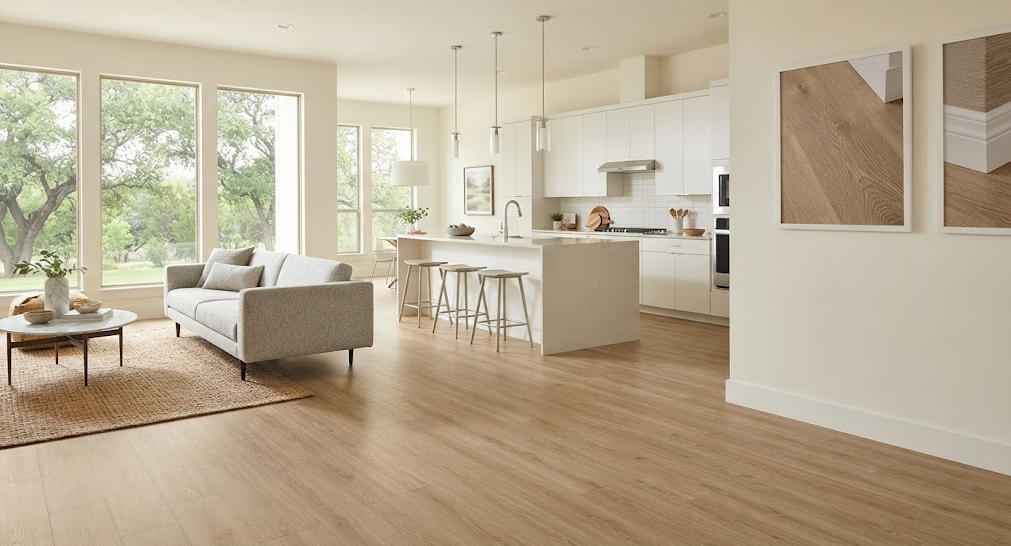
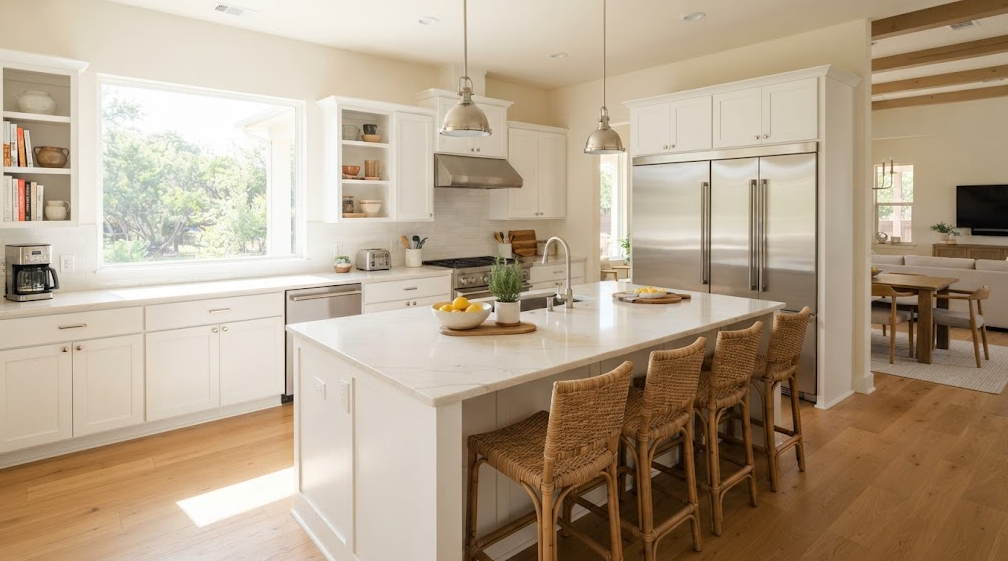
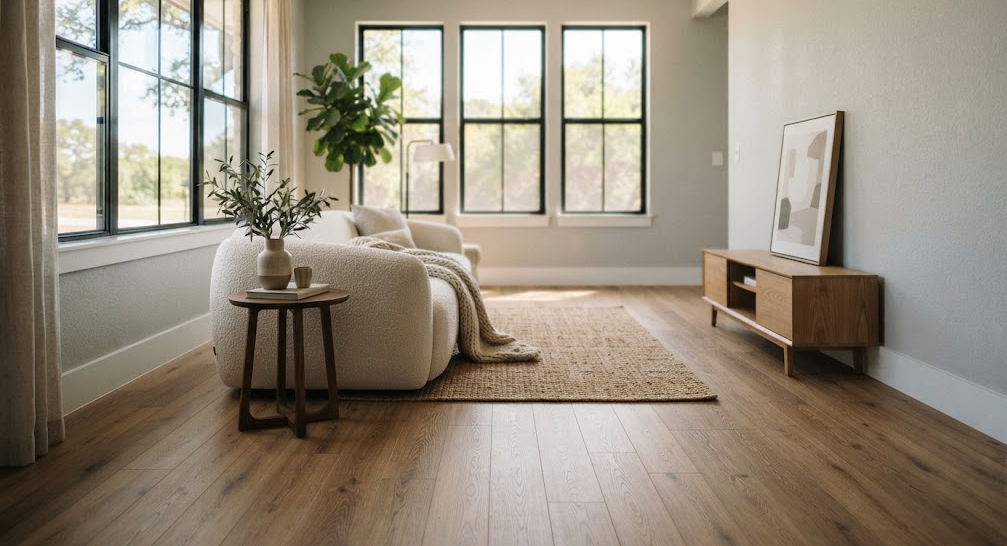
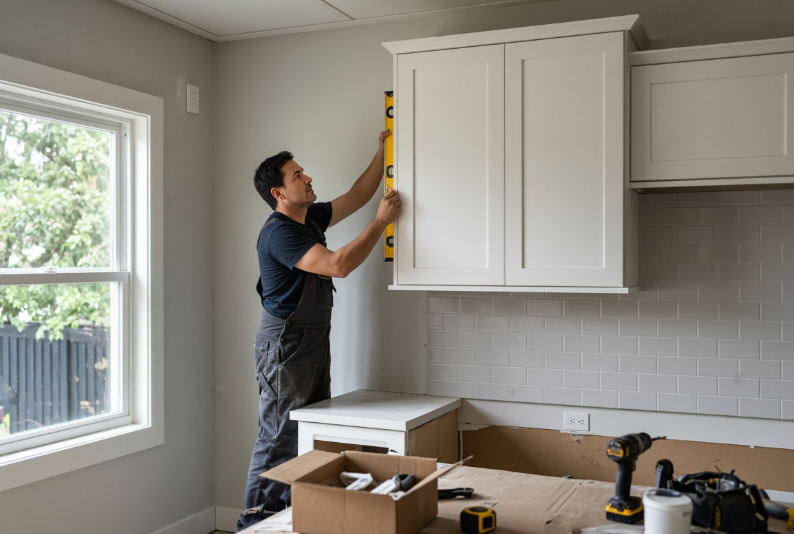
Countertops rarely get chosen in isolation. Most San Antonio homeowners are also updating their kitchen cabinets and, in many cases, the flooring at the same time – since all three need to work together for the kitchen to feel finished rather than pieced together.
What does this cost in San Antonio?
Both materials vary quite a bit depending on slab quality, thickness, and how much counter space you’re covering, so a flat number isn’t very useful here. The most accurate way to get a real figure is to request a free quote or call (210) 824-1957.
Ready To Compare Granite and Quartz in Person?
Home Improvement Warehouse carries both granite and quartz slabs in San Antonio, along with the cabinets and flooring to complete the kitchen. Browse our full product catalog, check out more guides on our blog, or reach out directly.