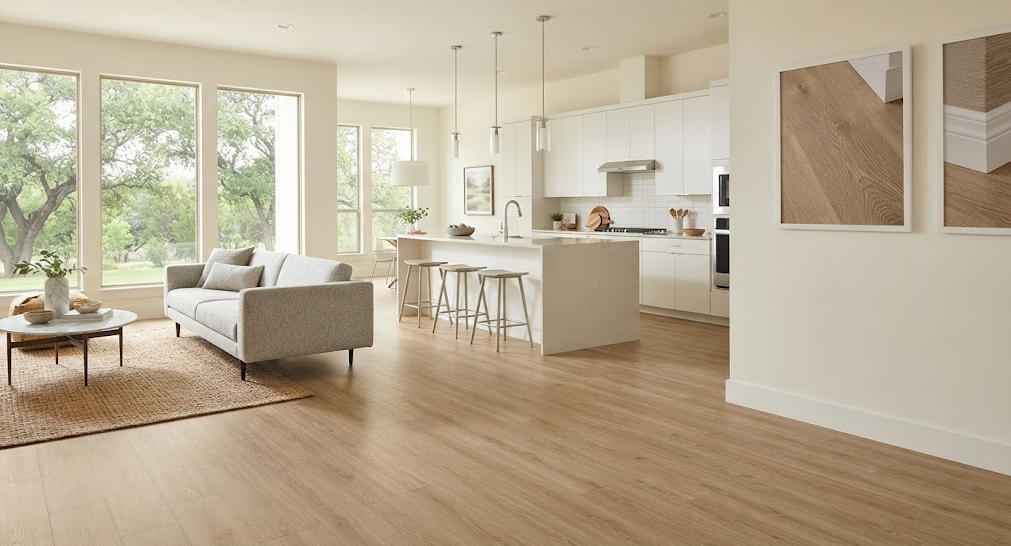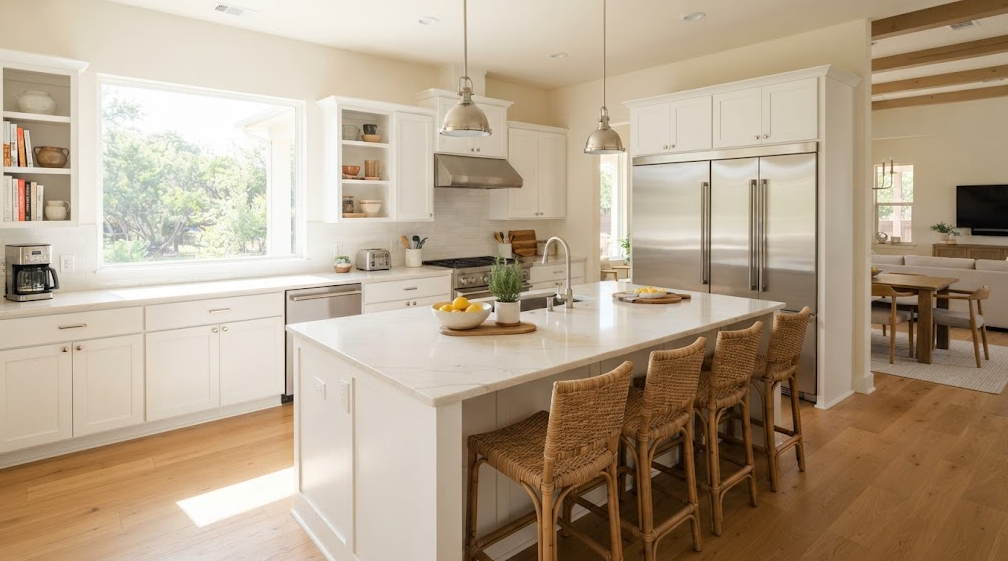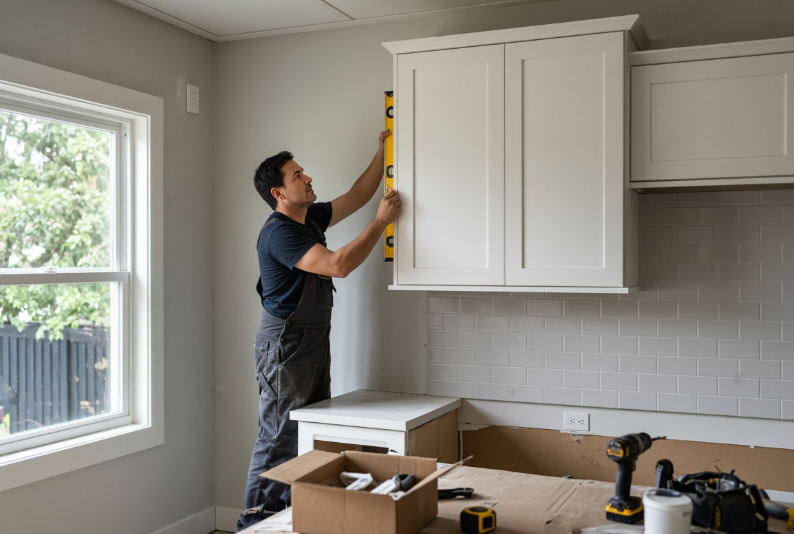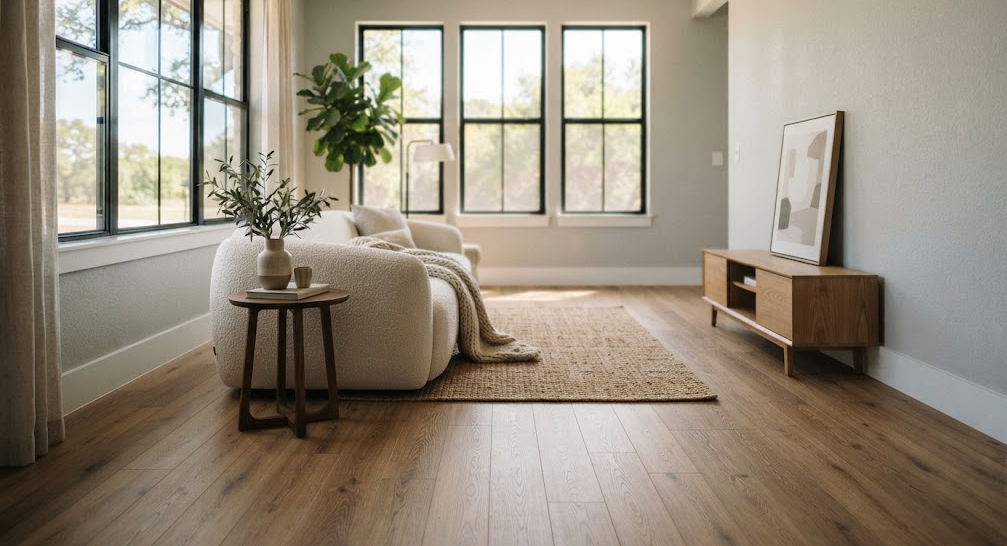
You picked out gorgeous wide-plank oak. You compared finishes for weeks. Then the installer asks what baseboard you want, and suddenly you’re staring at a wall of trim profiles you’ve never had to think about before.
Here’s the thing: baseboards aren’t an afterthought when you’re investing in luxury flooring. They’re the frame around the picture. The wrong trim can make a beautiful floor look unfinished, while the right one pulls the whole room together.
If you’re planning a flooring upgrade in San Antonio, this guide walks through the styles, materials, and practical decisions that matter most – without the sales pitch.
Why Baseboards Matter More Than People Think
Baseboards do real work. Hardwood and engineered wood floors expand and contract with Texas humidity swings, so installers leave a small gap along the walls. Baseboards cover that gap and protect drywall from scuffs, vacuum bumps, and everyday wear.
For luxury flooring specifically, the trim also sets the tone. Thin, low-profile baseboards can make a high-end floor feel like an afterthought. Taller, well-proportioned trim signals that the whole room – not just the floor – was designed with intention.
Popular Wood Baseboard Styles Right Now
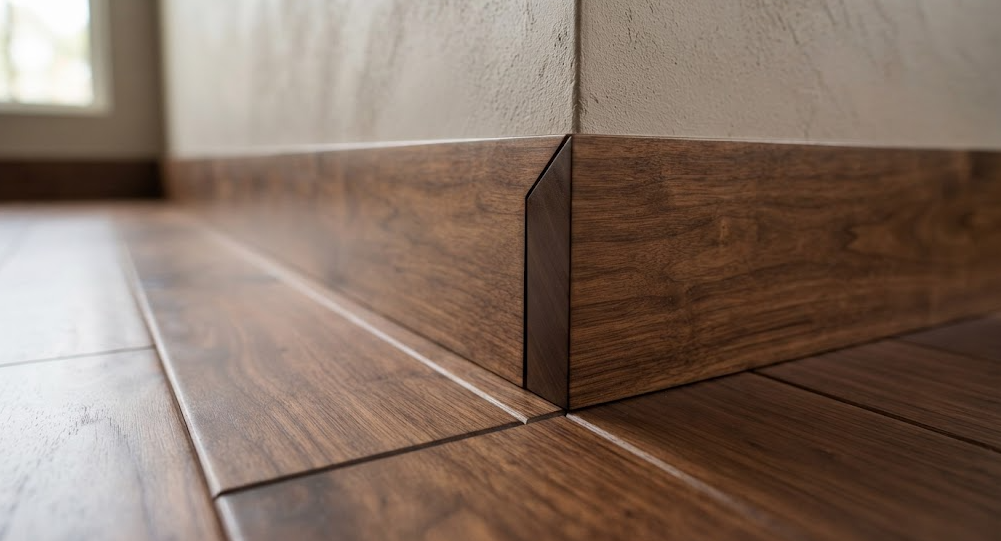
Flat, minimalist profiles. Clean lines with little to no ornamentation. These work well with contemporary, Scandinavian, and transitional interiors, and they let wide-plank floors stay the visual focus.
Tall, statement baseboards. Homeowners with higher ceilings or open floor plans are leaning toward taller trim – often well above the traditional short profile – for a more architectural, upscale look.
Shadow gap (reveal) trim. Instead of a visible baseboard, this creates a thin recessed line where the wall meets the floor. It’s a striking, modern option, though it typically needs to be planned before drywall goes up, which makes it a bigger undertaking in a remodel.
Classic and craftsman profiles. Molded or stepped edges still suit traditional and transitional San Antonio homes, especially those with existing millwork you want to match.
Solid Wood vs. MDF vs. Engineered Trim
| Material | Best For | Things to Consider |
| Solid wood | Premium, long-term durability, natural grain | Can react to humidity; needs proper finishing |
| MDF (primed/painted) | Budget-friendly, very smooth painted finish | Not ideal for moisture-prone areas |
| Engineered/composite | Consistent, moisture-resistant | Look and feel vary by product quality |
For San Antonio homes, humidity and occasional moisture near kitchens or entryways are worth factoring in when you choose between solid wood and composite options.
What Actually Drives the Cost?
Rather than a flat number, baseboard pricing comes down to a handful of variables:
- Height and profile complexity – taller, more detailed trim costs more in material and labor.
- Material – solid wood generally costs more than primed MDF.
- Finish – stained wood to match existing floors takes more labor than a simple painted finish.
- Installation condition – older San Antonio homes with uneven walls or floors often need extra prep work.
A local remodeling team can walk your space and give you a real number based on your floor plan, not a generic estimate pulled from an online calculator.
Common Mistakes Homeowners Make
- Choosing trim before the flooring is finalized. Wood tone and plank width should guide the baseboard decision, not the other way around.
- Going too thin with luxury flooring. Wide-plank floors usually look better with taller, more substantial baseboards.
- Ignoring the transition areas. Baseboards near kitchens, bathrooms, and exterior doors need material that can handle occasional moisture.
- DIY coping cuts on inside corners. This is one of the trickiest parts of trim work, and a poor cut is very noticeable.
A Quick Checklist Before You Decide
- Confirm your flooring style and plank width first
- Match baseboard height to ceiling height and room scale
- Decide between stained (natural wood look) or painted (MDF-friendly) finish
- Ask about moisture-prone areas of your home
- Get a quote that includes both material and professional installation
Getting It Right the First Time
Baseboards look simple until you’re the one choosing between a dozen profiles and two materials that seem identical on a sample board. If you’d rather skip the guesswork, Home Improvement Warehouse helps San Antonio homeowners plan flooring and trim together, so everything from the plank to the baseboard is chosen to work as one finished look. Reach out for a consultation before you commit to materials.
Final Thoughts
Baseboards are a small line item on a remodeling estimate, but they carry a lot of visual weight. When you’re investing in luxury flooring for your San Antonio home, giving the trim the same thought you gave the flooring itself is what separates a good-looking room from a finished one.