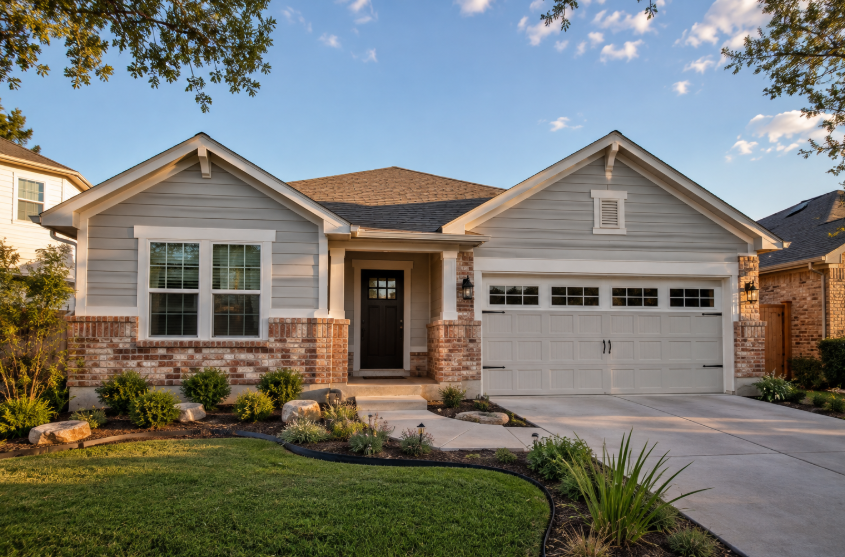
If you’re looking at updating your home’s exterior in San Antonio, one of the first questions that comes up is the cost of James Hardie siding installation. Fiber cement siding from James Hardie is a popular choice here because it handles Texas heat, humidity, and occasional storms better than many other materials while offering a wide range of styles.
This guide gives you realistic 2026 pricing ranges for the San Antonio area, explains what drives the final number, and helps you plan with clearer expectations before you start gathering quotes.
Average James Hardie Siding Installation Cost in San Antonio
Installed costs for James Hardie fiber cement siding in the San Antonio and Central Texas market typically fall between about $6.50 and $18 per square foot, with many full projects landing in the $8–$16 range depending on the product and scope.
For a typical 1,800 to 2,500 square foot home, full James Hardie siding replacement often ranges from roughly $8,000 to $40,000 for standard HardiePlank lap siding. Board-and-batten styles, HardieShingle, or premium Artisan/Aspyre collections push higher-commonly $28,000 to $55,000 or more.
One local example from early 2026 showed a project covering about 1,295 square feet of HardiePlank lap siding with trim coming in around the low-to-mid $20,000s after discounts. These are planning figures only. Your actual cost depends on measurements, condition of the existing exterior, and product choices.
What Affects James Hardie Siding Installation Pricing?
Several factors explain why quotes can vary significantly:
Product type and profile
HardiePlank lap is usually the most economical. HardiePanel (vertical), board-and-batten, HardieShingle, and the thicker Artisan collection cost more due to material and labor differences.
Finish options
Primed boards that get painted on site are often less expensive upfront than ColorPlus factory-finished boards, which come with a longer color warranty and reduce future painting needs.
Home size, height, and complexity
More stories, complex rooflines, lots of windows and corners, or hard-to-reach areas increase labor time and scaffolding needs. Tear-off of old siding (vinyl, wood, or damaged stucco) and any underlying repairs add to the total.
Preparation and extras
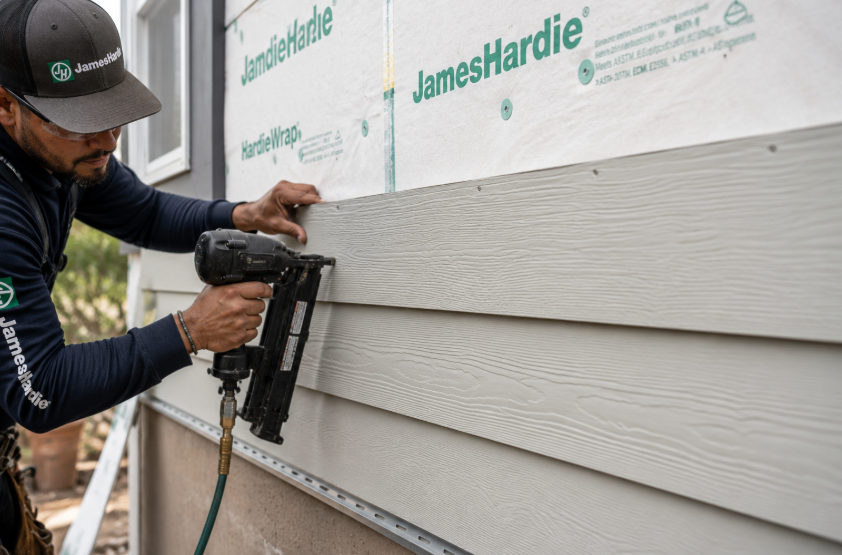
Proper weather-resistive barrier, flashing, trim, fasteners, caulking, and cleanup are essential for long-term performance and are usually included in solid quotes. Skipping these can lead to problems later.
Local conditions
San Antonio’s climate favors materials that resist moisture and temperature swings. Homes in older neighborhoods may need more prep work than newer construction.
Cost Comparison by Common James Hardie Styles
| Product Style | Typical Full-Home Range (1,800–2,500 sq ft home) | Best For |
| HardiePlank Lap | $8,000 – $40,000 | Traditional or most homes |
| HardiePanel Vertical | $20,000 – $42,000 | Modern or stucco-look alternatives |
| Board & Batten | $28,000 – $55,000 | Modern farmhouse styles |
| HardieShingle | $32,000 – $62,000 | Accents or textured looks |
| Artisan / Aspyre Collection | $24,000 – $75,000+ | Premium, detailed exteriors |
Ranges are approximate for Central Texas, including San Antonio, and include materials, installation, and typical paint packages where applicable.
Benefits That Influence the Value Calculation
James Hardie siding is noncombustible, resists rot, pests, and moisture better than wood or vinyl in many cases, and carries a 30-year non-prorated substrate warranty when installed correctly. Many San Antonio homeowners choose it when replacing aging stucco or wood that has begun to fail. The lower maintenance and long service life often offset the higher upfront cost compared with basic vinyl.
Common Mistakes to Avoid
- Accepting a low quote that skips proper house wrap, flashing, or manufacturer-specified installation details.
- Focusing only on material price without comparing full installed scope.
- Choosing a style without considering how it performs in local weather and how it will look with your roof and landscaping.
- Waiting until damage is advanced-earlier replacement can avoid larger structural repairs.
Practical Tips for San Antonio Homeowners
Measure or have a pro calculate the actual wall surface area (not just living square footage). Ask for itemized quotes that spell out product, finish, tear-off, prep, trim, and warranty. Confirm the installer follows James Hardie installation guidelines-this protects both performance and the warranty. Compare a few local options and look at completed projects in similar San Antonio neighborhoods.
At Home Improvement Warehouse, we stock James Hardie siding products and can help San Antonio homeowners explore options that fit both style and budget. Visit hiw123.com or call (210) 824-1957 for current product availability and to discuss your project.
Conclusion
James Hardie siding installation costs in San Antonio reflect the material’s durability and the specifics of your home. Most full replacements for average-sized houses fall in a broad but understandable range once you account for product choice, home complexity, and preparation work. Getting accurate measurements and detailed local quotes is the best way to move from estimates to a clear plan that protects your home for decades.